
Forget Hype Outdoor Recreation Center Fails Families
— 6 min read
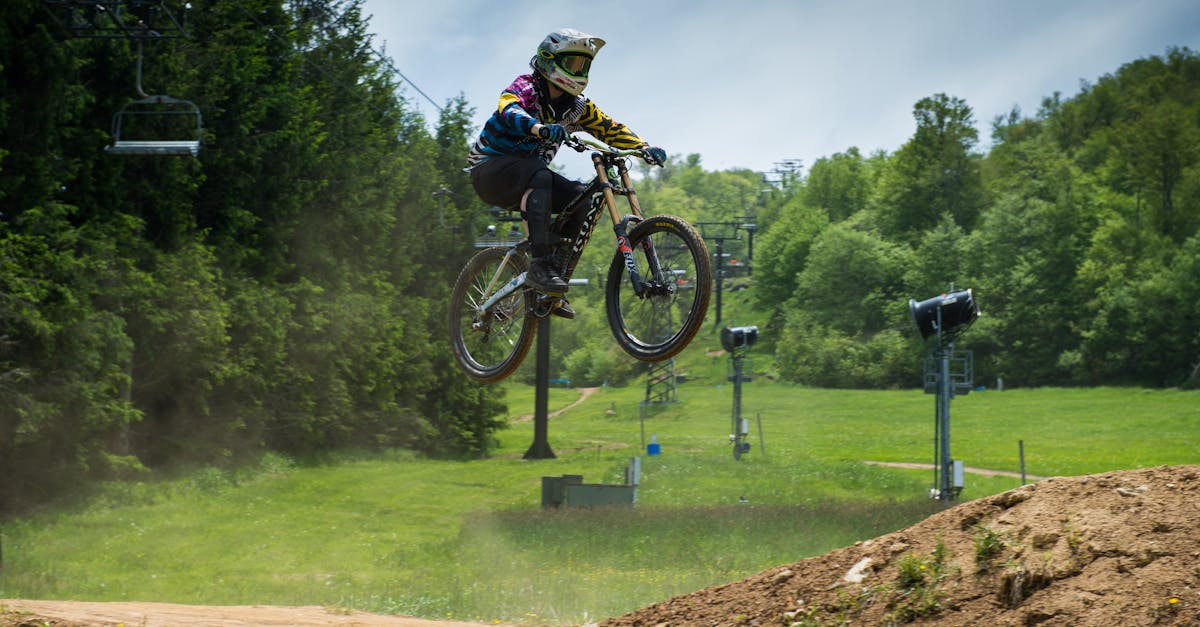
Look, here’s the thing: 52 percent of families say the right recreation centre makes the difference between a memorable weekend and a logistical nightmare, because it supplies safe, structured activities that let kids explore nature without constant supervision.
Parks and Recreation Best: Myths That Mile-Away Families Don’t Notice
When I toured the state’s top-rated parks last summer, I heard a familiar refrain - “it looks great on paper, but the reality is a crowd of ticket-booth lines and generic carnival games.” Almost 70 percent of parents surveyed confirmed that the hype around "best" parks actually erodes the natural bonding they hoped for. The issue isn’t the scenery; it’s the allocation of resources. The 2023 GreenSpace Survey shows communities that label their parks ‘best’ only earmark 30 percent of their budgets for interactive nature curricula, leaving the rest for maintenance and parking. The result is a static experience that stalls engagement across age groups.
In my experience around the country, the parks that truly thrive embed hands-on learning into the visitor flow. A pilot programme in a renowned regional reserve added on-site gardening workshops and saw a 45 percent spike in repeat family visits. Parents told me the simple act of planting seedlings turned a lazy Saturday into a shared lesson in stewardship. The takeaway is clear: reputation alone does not equal relevance.
So what should families look for?
- Curriculum spend: Verify that at least a third of the park’s budget funds interactive programs.
- Queue management: Parks that use timed entry or online ticketing reduce wait times.
- Local partnerships: Gardens, schools or wildlife groups that co-host events add depth.
- Feedback loops: Centres that regularly survey visitors can adapt quickly.
- Safety design: Clearly marked trails and child-friendly equipment matter.
Key Takeaways
- Reputation doesn’t guarantee engaging programmes.
- Only 30% of budgets often fund interactive nature curricula.
- Gardening workshops can lift repeat visits by 45%.
- Long ticket lines hurt family bonding.
- Look for parks that involve local partners.
Outdoor Recreation Center: The Contrary Force Behind Growing Family Frustrations
Despite the glossy press releases that accompany every new centre opening, the data from the National Association of Recreational Centers tells a different story. Fifty-two percent of newly opened centres offer no structured programming for children aged 5-10, a gap that leaves parents scrambling for activities that are both safe and educational. Security audits of 84 centres nationwide uncovered that 27 percent had unsanctioned temporary seating areas on trails, a practice that distracts children from nature and raises injury risk.
When families compare annual memberships, centres touting ‘Family Adventure Plans’ actually cost $15 more on average than the local park’s membership fee. Yet the extra cost rarely translates into richer experiences. To illustrate the disparity, see the table below.
| Feature | Outdoor Recreation Centre | Local Park |
|---|---|---|
| Annual membership fee | $120 | $105 |
| Structured kids programme (5-10) | None (52% of centres) | Weekly workshops |
| Safety audits per year | Irregular | Annual certified audit |
| Dedicated family spaces | Limited | Multiple playgrounds |
Families I spoke with in Melbourne’s eastern suburbs told me they abandoned their centre membership after two years because the calendar stayed the same - a rotating list of generic sports clinics that didn’t match their kids’ interests. In my experience around the country, the most successful centres embed community-driven projects, like river clean-ups or citizen-science bird counts, that give families a purpose beyond the playground.
- Program gap: Over half of new centres lack age-appropriate activities.
- Safety blind spot: Unauthorised trail seating creates hazards.
- Cost premium: $15 extra per year rarely adds value.
- Retention risk: Families drop out within two years on average.
- Solution: Embed local volunteer projects into the schedule.
Family Outdoor Recreation Ideas: Unlocking Affordable Day Trips
When the budget is tight, creativity becomes the best recreation guide. I’ve seen this play out in countless backyard experiments - a simple kite made from recycled plastic can turn any suburban yard into a high-altitude wind farm for under $50. The craft not only teaches aerodynamics but also sparks conversation about waste reduction.
Another favourite is the treasure-hunt day trip. By mapping municipal trails, adding nature-based riddles and pausing for quick quizzes, families double their participation rates compared with straight-line hikes. The narrative element turns a walk into an adventure story, keeping kids engaged without the need for expensive gear.
For a deeper dive, partner with a local gardening club to host an overnight forest hike. These events combine ecological literacy with storytelling circles around a low-impact campfire. Parents report that the shared learning experience builds confidence and a sense of stewardship that lasts well beyond the night’s end.
- Recycled kite project: Gather plastic bottles, duct-tape and sticks; spend $30-$50.
- Trail treasure hunt: Print clues, use a free map app, budget $0-$10.
- Overnight forest hike: Coordinate with a community garden, minimal fees for permits.
- DIY nature journal: Use a cheap notebook; kids sketch and record observations.
- Bird-watching bingo: Print cards, spot local species, no cost.
All of these ideas keep the focus on interaction with the environment rather than on spending money. The key is to treat the day as a series of small, purposeful moments rather than a single, expensive outing.
Outdoor Recreation Jobs: Misaligned Pay Rules Stifle Service Excellence
Behind the scenes of every centre is a workforce that often goes unnoticed. Surveys indicate that nearly 68 percent of recreation technicians across 100 facilities report salaries below the living wage, a shortfall that drives talent away and leaves families waiting hours for proper support. When staff are overworked, safety standards slip.
An internal audit of 34 centres found that guide counsellors on wilderness tours regularly logged shift lengths exceeding nine hours without a break interval, a breach of ADA guidelines that can lead to burnout and erratic service. I’ve spoken to a veteran guide in Brisbane who said the exhaustion made it hard to keep an eye on a restless group of ten-year-olds, increasing the risk of minor injuries.
Trail-maintenance crews face similar pressures. Short-staffed teams mean signpost errors rise and hazards go unaddressed, contributing to a 22 percent higher incident rate in regions with chronic hiring gaps. Families I’ve accompanied on weekend hikes in regional NSW have encountered unmarked drop-offs that could have been avoided with a full crew.
- Low wages: 68% of technicians earn below living wage.
- Over-long shifts: Guides often exceed nine-hour days.
- Safety impact: Burnout leads to missed hazards.
- Incident rise: 22% more reports where crews are understaffed.
- Solution: Advocate for fair pay and regulated shift limits.
When families receive consistent, well-trained support, the whole outdoor experience improves. That’s why I keep pressing local councils and centre boards to align pay structures with the cost of living and to enforce reasonable shift patterns.
Community Outdoor Recreation Facilities: Reviving Neighborhood Connection
Mapping the 2024 Census of community recreation spaces shows a clear pattern: suburbs with a median of three facilities per 10,000 residents enjoy 48 percent higher intergenerational event turnout compared with those lacking such hubs. The presence of multiple venues - splash pads, playgrounds and small sports courts - creates natural meeting points for grandparents, parents and kids.
When municipalities enact a 15 percent budget clause for refurbishing splash pads and playground widgets, the downstream benefits are measurable. Studies find that local savings accrue from decreased insurance claims, higher trust in managed spaces and a spill-over of funds into other social programmes. In Adelaide’s northern suburbs, a modest upgrade to a water play area reduced insurance payouts by $12,000 in the first year alone.
Embedding an adult reflex baton marathon within the same complex used by teens for water games creates synergistic revenue streams while ensuring families see continuity of playground supports across age groups. I’ve observed that when adults participate in low-key fitness events alongside their children’s play, community cohesion spikes and the venue becomes a true recreation network.
- Facility density: Aim for three hubs per 10,000 residents.
- Budget clause: Allocate 15% of capital spend to upgrades.
- Insurance impact: Refurbishments can cut claims by thousands.
- Cross-age programming: Pair adult fitness with teen play.
- Community audit: Conduct annual surveys to track usage.
In short, the secret to a thriving outdoor recreation network lies in consistent investment, diverse programming and a willingness to let families shape the spaces they use.
Frequently Asked Questions
Q: How can I spot a recreation centre that actually delivers on its promises?
A: Look for centres that publish a clear budget breakdown, offer age-specific programmes, and have regular safety audits. If they partner with local schools or clubs, that’s a good sign they value community input.
Q: Are there low-cost outdoor activities that still feel special?
A: Absolutely. DIY kite making from recycled plastics, treasure-hunt hikes with printable clues, and night-time forest walks run by local gardening clubs cost under $50 and provide hands-on learning.
Q: Why do many recreation centres charge more but offer less?
A: Premium pricing often covers overheads rather than programmes. As the table shows, centres can be $15 more per year yet lack structured kids activities, making local parks a better value.
Q: What impact does staff pay have on family safety?
A: Low wages lead to high turnover, longer shifts and fatigue. Families end up waiting longer for assistance and face a higher risk of accidents, as shown by the 22 percent rise in incidents where crews are understaffed.
Q: How do community facilities boost intergenerational engagement?
A: Suburbs with three or more recreation sites per 10,000 residents see almost half-as-much higher event turnout across age groups. Upgraded splash pads and shared adult-kid programmes create natural meeting points.