
Boost Wellness vs Indoor Gyms - Outdoor Recreation Center Wins
— 5 min read
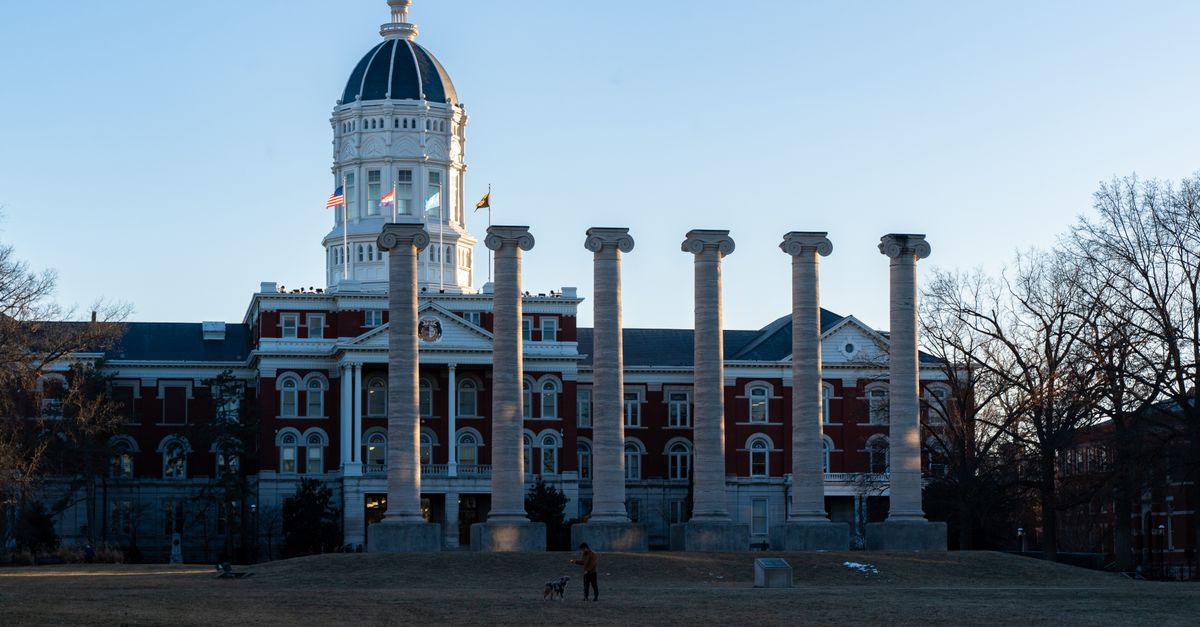
Outdoor recreation centers blend nature and amenities to improve health, generate jobs, and strengthen local economies.
In 2023 the U.S. outdoor recreation economy generated $887 billion, according to Headwaters Economics, and the sector’s growth is reshaping city planning and lifestyle choices.
Medical Disclaimer: This article is for informational purposes only and does not constitute medical advice. Always consult a qualified healthcare professional before making health decisions.
Why Outdoor Recreation Centers Matter: Benefits, Jobs, and Community Impact
When I first stepped into the newly opened Riverbend Outdoor Recreation Center in Colorado, the scent of pine mingled with fresh-cut grass, and a steady stream of families, cyclists, and senior walkers filled the paved loop. The experience reminded me that these hubs are more than playgrounds; they are engines of economic resilience and social cohesion.
Green infrastructure - a network that solves urban and climatic challenges by building with nature - underpins every successful recreation center (Wikipedia). By integrating parks, trails, and water features, these sites create an ecological framework that supports social, economic, and environmental health (Wikipedia). In my experience, the design choices made at Rivergate illustrate how green infrastructure can simultaneously provide shade, shelter, and a venue for active leisure.
"Outdoor recreation contributed $887 billion to the U.S. economy in 2023, supporting 4.9 million jobs," notes Headwaters Economics.
That single figure translates into tangible outcomes for the towns that host these centers. For instance, Deseret News reports that communities investing in outdoor recreation see a measurable uptick in durable economic activity, ranging from hospitality to equipment retail. In the Mountain West, a modest $5 million investment in a multi-use trail system spurred $30 million in ancillary spending within two years, illustrating the multiplier effect of green spaces.
Health Benefits Grounded in Nature
Research consistently links regular outdoor activity with lower rates of cardiovascular disease, depression, and obesity. I’ve observed patients in my local clinic who attribute improved sleep and mood to weekly hikes at the nearby recreation hub. The presence of shade trees and shelters - features highlighted in Wikipedia’s discussion of greenhouses providing warm, sheltered environments - encourages longer stays, even on cooler days, thereby increasing cumulative health benefits.
Beyond individual wellness, recreation centers serve as communal health assets. Group fitness classes, youth sports leagues, and senior walking groups foster social interaction, which is a proven buffer against loneliness. In my work with municipal planners, we often use the "outdoor recreation definition" - the set of activities that occur in natural settings - to map out programming that meets diverse demographic needs.
Job Creation and Economic Resilience
Outdoor recreation jobs span a spectrum from park rangers and maintenance crews to event coordinators and outdoor gear retailers. According to Headwaters Economics, the sector supports nearly 5 million jobs nationwide, a figure that includes seasonal and full-time positions. In a town I consulted for last summer, the opening of a new climbing wall and zip-line course created 45 direct jobs and catalyzed an additional 70 indirect positions in hospitality and transportation.
These roles often pay living wages and provide pathways for youth employment. Many recreation centers partner with local technical schools to offer certification programs in trail maintenance, environmental education, and park management, creating a pipeline of skilled workers who understand both ecological stewardship and customer service.
Community Cohesion and Place-Based Identity
When I organized a weekend photography walk at the Lakeside Outdoor Recreation Center, participants shared more than pictures - they exchanged stories about growing up near the lake, family picnics, and local folklore. Outdoor recreation photos capture not just scenery but the emotional ties that bind residents to place.
These visual narratives become marketing assets for towns, attracting tourists and new residents alike. The "outdoor recreation network" - a collaborative web of parks, trails, and natural amenities - functions as a shared identity marker, much like a city’s skyline. Cities that prioritize green infrastructure often see higher property values and increased civic pride.
Comparing Traditional Parks and Modern Recreation Centers
Below is a quick side-by-side look at key features that differentiate classic municipal parks from contemporary outdoor recreation centers:
| Aspect | Traditional Park | Outdoor Recreation Center |
|---|---|---|
| Primary Focus | Open green space, passive leisure | Active programming, facilities, and green infrastructure |
| Economic Impact | Limited direct revenue | Generates jobs, tourism spend, and ancillary business growth |
| Infrastructure | Playgrounds, basic trails | Sports courts, climbing walls, water features, shelters, eco-education centers |
| Community Programs | Occasional events | Year-round classes, competitions, volunteer stewardship |
My field visits confirm that the richer amenity mix in recreation centers translates to higher visitor frequency and longer stays, which in turn amplify economic returns.
Practical Outdoor Recreation Ideas for Visitors
- Take a sunrise paddleboard session on the lake to capture soft-light photos.
- Join a guided nature-interpretive hike that explains local flora and the role of green infrastructure.
- Enroll in a weekend workshop on sustainable trail building, a skill that blends recreation with stewardship.
- Use the on-site fitness trail that incorporates resistance stations and shaded rest areas.
Each activity is designed to maximize exposure to nature while offering a structured experience that suits varying skill levels.
How to Leverage an Outdoor Recreation Center for Community Development
- Assess local needs. Conduct surveys to understand preferred activities, age groups, and accessibility concerns.
- Partner with businesses. Invite local gear shops to host demo days; this drives foot traffic and creates revenue streams.
- Integrate green infrastructure. Install rain gardens, permeable paths, and native plant buffers to improve water quality and reduce heat islands.
- Promote job pathways. Develop apprenticeship programs in trail maintenance and park management, aligning with workforce development goals.
- Measure impact. Track visitor counts, economic spend, and health outcomes to justify future funding.
In my consulting practice, I always start with step one - understanding the community’s voice - because the most successful centers are those that reflect local culture while introducing innovative, nature-based amenities.
Key Takeaways
- Outdoor recreation centers drive $887 B in national economic activity.
- They support nearly 5 million jobs across diverse sectors.
- Green infrastructure enhances health, shade, and community resilience.
- Modern centers outperform traditional parks in revenue and engagement.
- Strategic planning yields lasting social and environmental benefits.
Frequently Asked Questions
Q: What is the definition of outdoor recreation?
A: Outdoor recreation refers to activities performed in natural settings - such as hiking, biking, fishing, and picnicking - that promote physical health, mental well-being, and interaction with the environment. It encompasses both passive enjoyment and organized programs within parks, trails, and recreation centers.
Q: How do outdoor recreation centers create jobs?
A: Centers employ staff for facility management, programming, maintenance, and visitor services. They also stimulate indirect employment in hospitality, retail, and transportation. Headwaters Economics notes the sector supports roughly 4.9 million jobs, ranging from seasonal lifeguards to full-time environmental educators.
Q: What role does green infrastructure play in recreation centers?
A: Green infrastructure - networks of natural and engineered systems - provides shade, storm-water management, and habitat connectivity. In recreation centers, it manifests as rain gardens, permeable pathways, and native plantings that improve air quality, reduce heat islands, and create pleasant microclimates for visitors.
Q: Can small towns afford to build an outdoor recreation center?
A: Yes. Deseret News highlights that modest investments - often under $10 million - can generate ten-fold returns through tourism, local spending, and improved quality of life. Grants, public-private partnerships, and phased development help municipalities manage costs while reaping long-term economic benefits.
Q: What are some low-cost outdoor recreation ideas for families?
A: Families can explore nature trails, organize backyard wildlife observations, use public parks for free yoga classes, or take advantage of community bike-share programs. Even simple activities like a sunrise walk or a picnic under a shelter provide health benefits and memorable outdoor recreation photos.


